Who we are
Every individual has the opportunity to learn, grow, and live with dignity
KOSHISH is a grassroots non-profit organization established in 2006, registered as a trust committed to improving the lives of vulnerable and marginalized communities. Through community participation, partnerships, and innovative programmes, we work to ensure that every individual has the opportunity to learn, grow, stay healthy, and live with dignity.
KOSHISH began in 2006 as a small group of people in Kashmir who were unwilling to accept that a child's future should depend on where they were born. Registered as a trust, it has grown over nearly two decades into an organisation working across ten districts of Jammu & Kashmir, but the way it works has not changed: start with the community, stay long enough to matter, and measure whether anything actually improved.
Our programmes run across education, child protection, adolescent engagement, public health, water and sanitation, women and gender equality, community development, humanitarian response, and environmental and legal awareness. These are not separate silos. A child who is out of school is often also a child whose birth was never registered, whose household is under financial strain, or whose village has no safe water — so we work on the whole picture rather than one symptom of it.
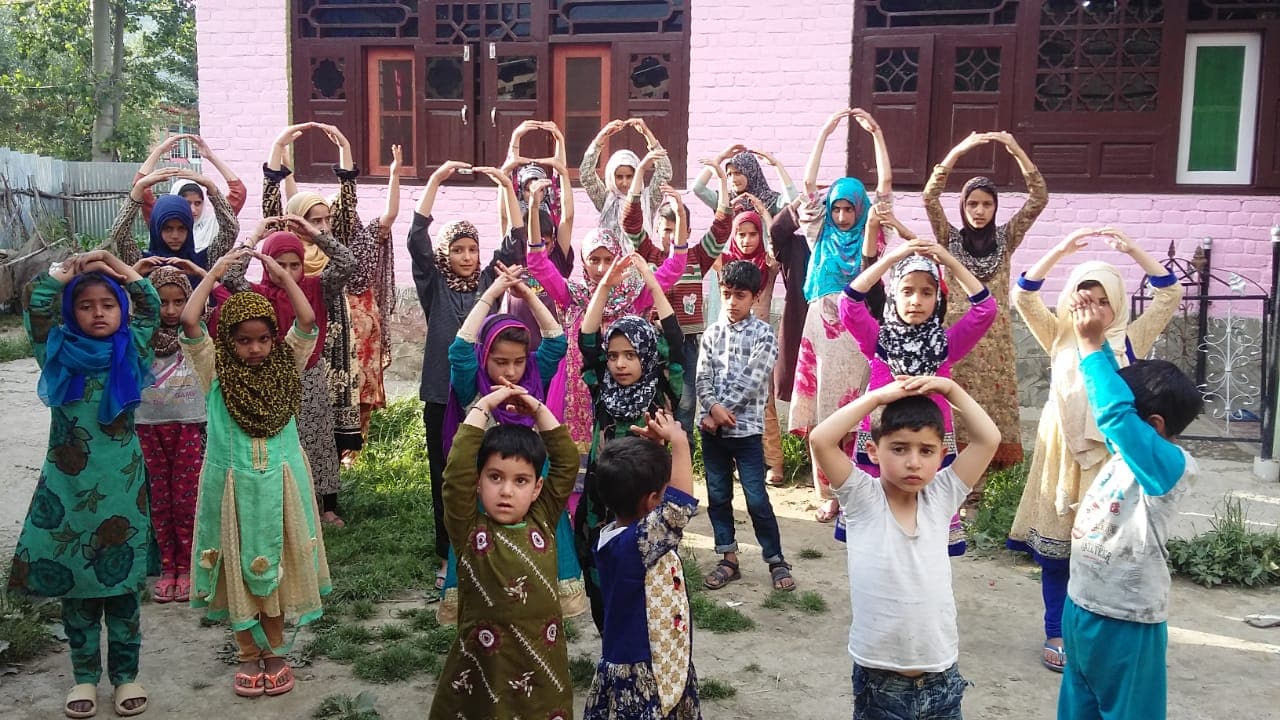
That work has reached more than 15,000 children and 2,600 adolescents across 117 communities, alongside training for teachers and support for families. The numbers matter, but what they represent matters more: a girl who stayed in school past class eight, a village committee that now runs its own child protection meetings, a family that knows which entitlement it is owed and how to claim it.
Our founder
The person who started it
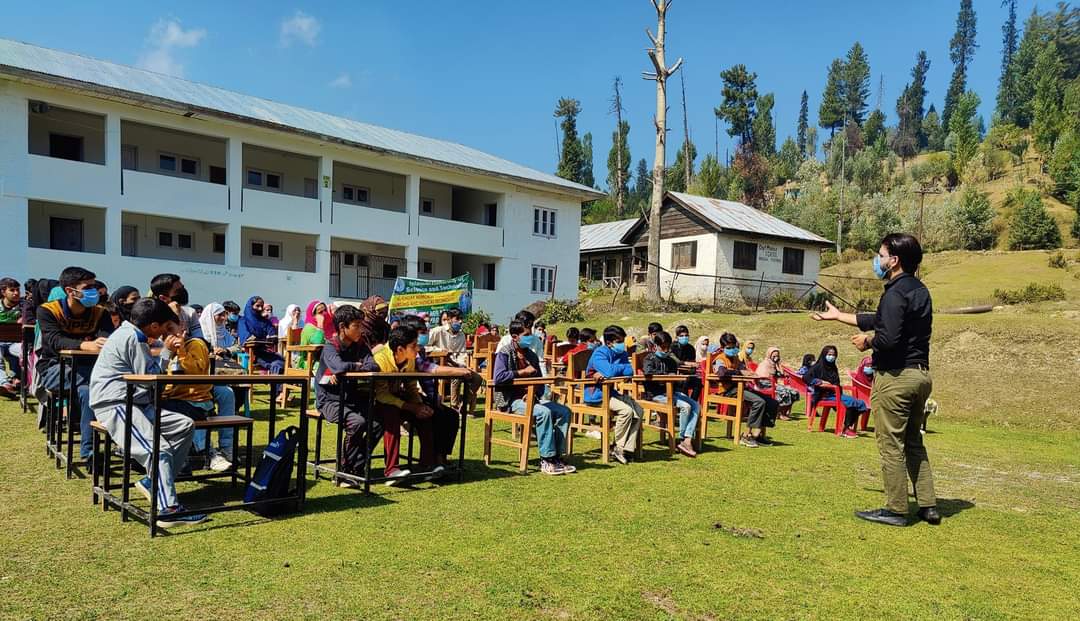
KOSHISH was co-founded in 2006 by Dr. Rouf Malik, who continues to lead it as Executive Director. He brings over twenty-six years in the social sector, and his work has been recognised with a Real Hero Award in 2011 and an Acumen Fellowship in 2018; he is also a former Curator of the Srinagar Hub of the World Economic Forum's Global Shapers Community. Much of what shapes KOSHISH — the insistence on evidence, the refusal to work around communities rather than with them — traces back to that early decision to build an organisation rooted in Kashmir rather than run from outside it.
Community participation
Communities are not our beneficiaries. They are our colleagues.
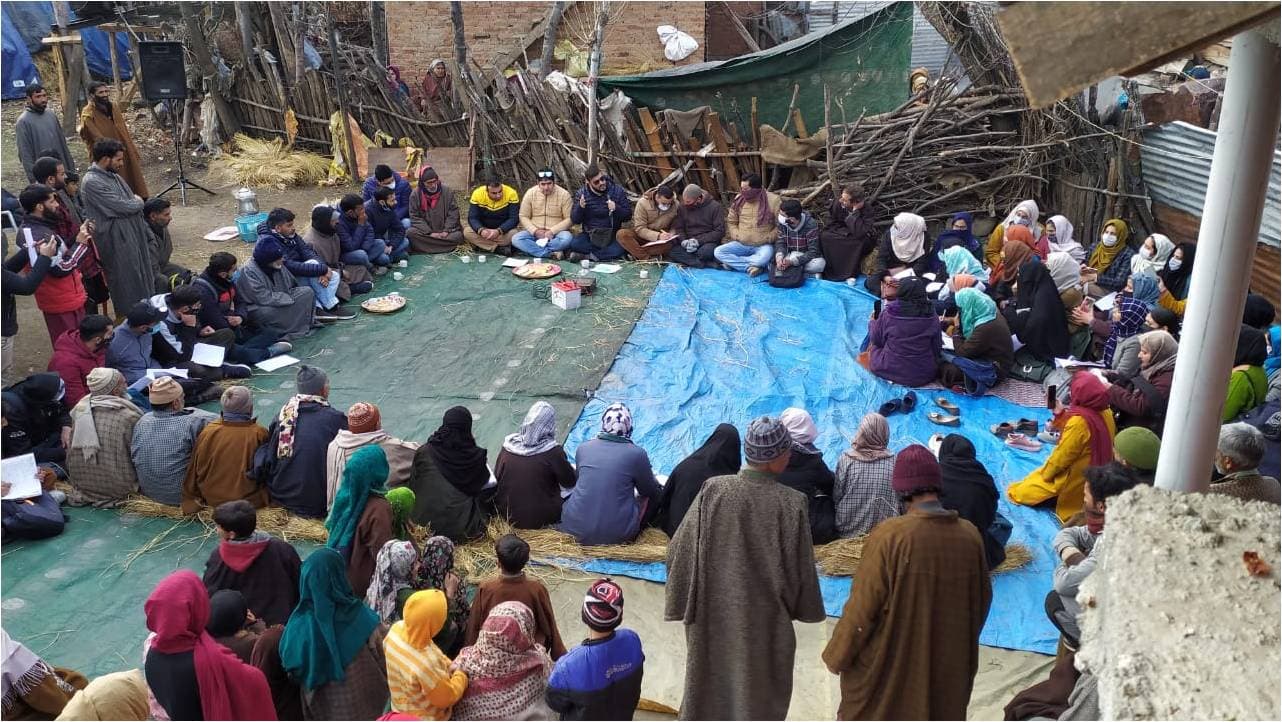
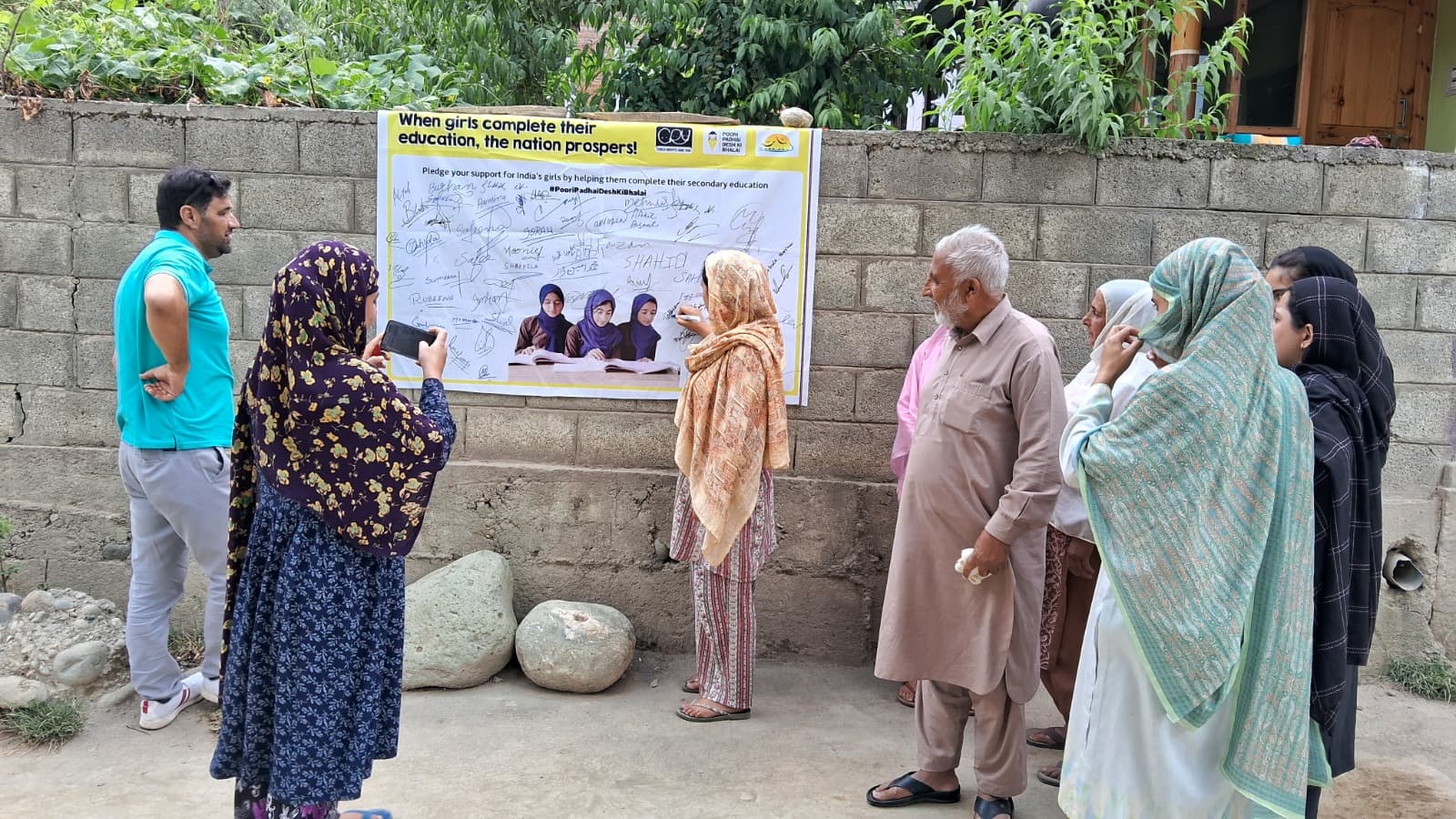
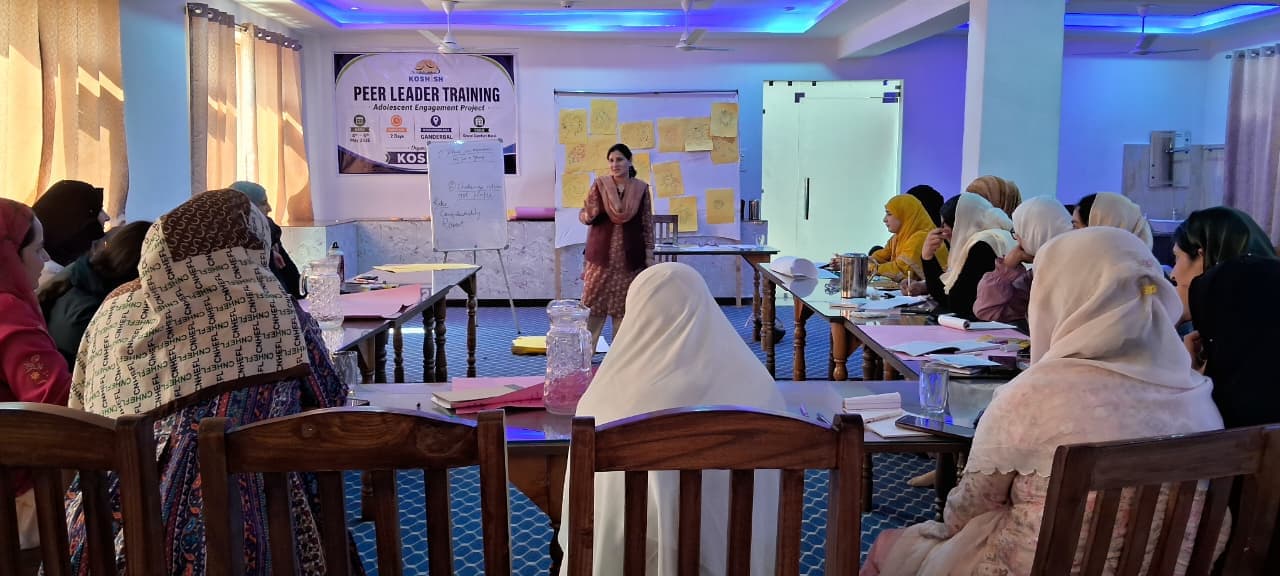
Every KOSHISH programme begins with the people it concerns. Before a learning centre opens or an awareness campaign runs, we sit with residents — often in the open, often for several meetings — to understand what they see as the problem and what they are willing to carry themselves. It is slower than arriving with a plan, and it is the only method we have found that survives our leaving.
That participation is built into structures rather than left to goodwill. Village Development Committees and Community Child Protection Committees put decisions in local hands. Adolescents run their own youth clubs and act as peer educators. More than a hundred volunteers work alongside our staff, and community members hold us to account through open review of what we said we would do.
We also see our role as connective. Much of what communities need already exists in government schemes, school systems and health services — but not always within reach. A great deal of our work is simply making those links hold: helping a family register a birth, helping a school claim its entitlement, helping a committee bring its concerns to the department that can act on them.